


Skin Type Vs Skin Condition
- katherinetaber
- Nov 4, 2014
- 8 min read
Skin Type or Skin Condition?
So you are standing in front of a wall of skin care and it is daunting. There are so many
products and so many brands that it can be nearly impossible to find the right product. We get distracted by packaging, wording, and ingredients we are pretty sure we’ve heard of. But where should we go from here? Do we fall back on that Olay Regenerist, Neutragena, or others of its ilk simply because we don’t really know what the hell is causing our skin to behave the way it should.
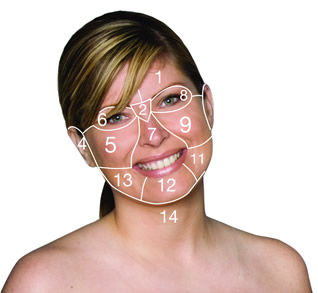
What frequently happens is we are look to a line that focuses only on what is going with our skin and not why our skin is acting out. A great way to start out is a quick FACEMAPPING this is done by salons that carry DERMALOGICA. This is a free way to get a professional free analysis.
Skin Type
We generally think we know what our skin type is; oily, sensitive, dry, acne prone, or combination and a lot of times that’s not true. Most of the time these are skin conditions rather than types. Our skin type is the skin we are born with. A truly oily skinned individual will be oily throughout your entire body same as an individual with dry or sensitive skin. Does that change the way you think about the skin on your face?
So let’s put you back in front of that wall of skin care products again. Has your eye wandered to different products? But we still have those breakouts and dry patches to contend with; so now what?
Sensitive vs Sensitized
The biggest issue I see and hear from clients is how sensitive their skin is. Truly sensitive skin will experience allergies, eczema, hives, red flair ups, stinging in reaction to products, and individuals who burn easily. This is something you would be born with and is frequently found in Irish, Scottish, and English skin. (Basically fair skinned people) The reason is these individuals are born with fewer skin layers (the normal is approximately 7) as opposed to those with darker ethnic skin who have more layers which leaves them with different skin issues.
Sensitized skin is a whole different ball game and generally more frustrating to deal with for the client. This includes people with adult onset acne, dry patches in their skin, large pores, congested pores, and black heads and that is only naming a few.
The most common complaint about sensitive skin is that products make them break out. Adult acne is a pain in the ass. It is even worse as an adult than it was as a teen. In fact, most of the clients I’ve had used to have normal skin until something changed and boom, they’ve got acne and now the client gorges on acne products instead of treating why the client is breaking out. We often see this behavior in the medical field when a doctor treats a symptom instead of the true problem. This is especially true with some dermatologists. The quickly prescribe Retin A or Acutain.
Sensitized skin is not only difficult for the client but also for the skin therapist but for different reasons. The client is usually looking for that quick fix and with sensitized skin it is sadly much harder and more expensive to treat.
This Lazy Therapist has a few suggestions go into a store like ULTA where their skin therapists are well trained in all the skin care products and ingredients on the market. Book a full hour appointment (usually around $55) and let the therapist really get a good look at what is going on and help you decide whether your issue is sensitization or sensitive skin.
The skin therapist will also help you pick out products that will either do double duty or products that you can mix to save you time and extra steps because honestly, if you are sold a six step regimen, are you really going to use all six steps? This Lazy Therapist sure as hell wouldn’t. That’s why I look for ways to combine steps or use products that double duty. Even I have nights where I grab for those Neutrogena wipes but I put a little zip lock container that holds my treatment moisturizer so at least I get that step.
However, I get client that wants/does make a mad dash for a microdermabrasion, chemical peel, or laser treatment that is unnecessarily and a lot of times over kill and pricier than a simple series of clinical facial treatments. The difference is a doctor will ask for your medical history but an esthetician will additionally ask for your behavioral history (what side do you sleep on, what side do you use your cell phone, how do you wash your face). A good dermatologist and skin therapist will then look at what is going on systemically. Where are you in your menstrual cycle, your stress level, if you are having Gaul Bladder issues, ect..
Getting skin back to is healthy base while treating a specific issue, especially acne or sensitized skin, can feel hopeless and let’s be honest, expensive as hell.
So is the expense worth it? The Lazy Therapist says yes in most cases. Frequently the more expensive, though not all, have the concentrated ingredients that the cheaper products can’t afford to put in and keep their price point low. Often these concentrates come in the form of serums, boosters, or whatever name the company chooses. These are usually found in small vials, bottles, or even powders and have the results to make the price worth it. (Approx $75)
As the consumer you are not expected to know every ingredient; how and why it’s used. Ask the skin therapist for help. We want you to get the best out of it all.
Sensitive Skin
Treating sensitive skin is easier for the skin therapist however; getting client to trust in your knowledge of their skin type is extremely difficult. These clients are scared, and rightly so, of the consequences of an improper treatment.
An improper treatment would include heavy chemicals, large amounts of vitamin A (retinols), steam, and hot moist towels.
Oily
Sadly, we have become an oil phobic society. For a long time it was all about stripping all the oil from the skin by using Sea Breeze or Clearasil. But even oily skin needs some oil. Clients who perceive their skin as oily use a lot of products to remove the oil from their skin causing the skin to believe it is thirsty and so hyper produces oil.
The body of a truly oily skinned individual will rarely even need a moisturizer for their legs and body but an oily skin type will still need to moisturize their body.
Thankfully, oily skin and those with an oily skinned condition isn’t that difficult to treat though it may mean starting with a whole new skin kit.
Oily Acneic
Oily skin can often be combined with acne, especially in teens. This does complicate things but avoiding the products at Target and such is the first step. When an individual is facing both problems there is a delicate balance of ingredients that are needed to treat the oil, pimples, and the many, many other issues that accompany this condition.
For pimples an individual needs to look for Benzoyl Peroxide to treat the actual breakout and Salicylic Acid to keep the skin free of debris that doesn’t allow the oil to work its way out of the pore.
If a client is suffering from blackheads, congestion, and large pores they do need to come in for a facial to have them removed through a step called extractions. To be honest, this step is painful but necessary. It can be done in a series of treatments and if the skin is severely plagued by comodones this will be necessary. Though it is painful the removal is important because it opens up the pores to receive all the beneficial ingredients that are ready to be absorbed.
Oily acneic skin can be really difficult to treat if the client isn’t following through with really good home care, and ProActive is NOT good home care. Oddly enough, when searching for good cleansers products geared toward anti-aging or wrinkle prone skin have similar ingredients and are acceptable cleansers because they often contain retinols and salicylic acids to help resurface the skin which oily acneic skin frequently needs. Sometimes that is all an oily skin condition needs as far as exfoliation, especially if they are using a Clarisonic but ask your skin therapist for more information. This Lazy therapist likes to her add mild exfoliant in with her cleanser to save myself a step and time.
Oily skinned individuals, type or condition alike, should be using Precleanse without fail especially since they come in wipes now. Oily skinned clients fear Precleanse because it starts out as an oil but really think about it. Oil bonds with oil right? So it only makes sense to add a product that begins as oil. It breaks through the toughest of makeup or the buildup of oil that comes with sports. (I have even used it as a pre-treat for oil stains on my clothes. Precleanse bonds with oil, makeup, and other surface debris. After the product has been sufficiently worked into the skin (approx 1 min) you take your wet hands and massage the water in. The water then turns milky in color. What is happening is the oily debris is being encapsulated and prepared for a true removal. Everyone should be doing a double cleanse. Once to remove surface debris and the second to actually get into the pore and really clean Precleanse, takes care of that first cleanse better and quicker than a standard first cleanse.
Dry/ Combination
Dry/combination skin can be the most frustrating to deal with. It usually gets worst in our thirty’s and can come in so many varieties. At night we slather on the cream feeling like eventually some of it has to get deeper in there. Dry skin can also feel like it is combined with sensitive skin because it feels raw.
A lot of the times we just need to find out what the skin is thirsty for. Water or oil? Even though our skin is the largest organ in our body it is the last to receive nutrients and hydration. We seem to forget our skin needs water hydration as well as that oil. Of course we need to ingest that precious H2O but sometimes that is not enough and we need to turn to our trusty skin products to fill in the blanks. Look for hydrating boosters or serums (they usually are price but worth every penny). Study the ingredient list and if it has hyaluronic acid in it grab it. Hyaluronic acid carries 1000% its weight in water and as an added bonus in powers its weight deep into the forming cellular layers of skin. I like to think of this ingredient as a back pack and it takes on all those other great ingredients puts them in the pack and carries them deeper too. It truly is one of the best universal ingredients available on the market right now. This is an ingredient in a product that is frequently paired with another product and if your skin therapist recommends them as a pair it is something you should consider strongly if you are seriously about trying to get your skin under control even if you have to purchase one and then the other a short time later.
The second thing anyone dealing with dry or combination skin really ought to consider is a masque. Masques are one of the lower products on the totem pole that I suggest and I war on that fact but when it comes to this type of skin or skin condition it is really a factor that could make a big difference.
These are just a few bits of information to go on and I’m sure there will more.


Comments